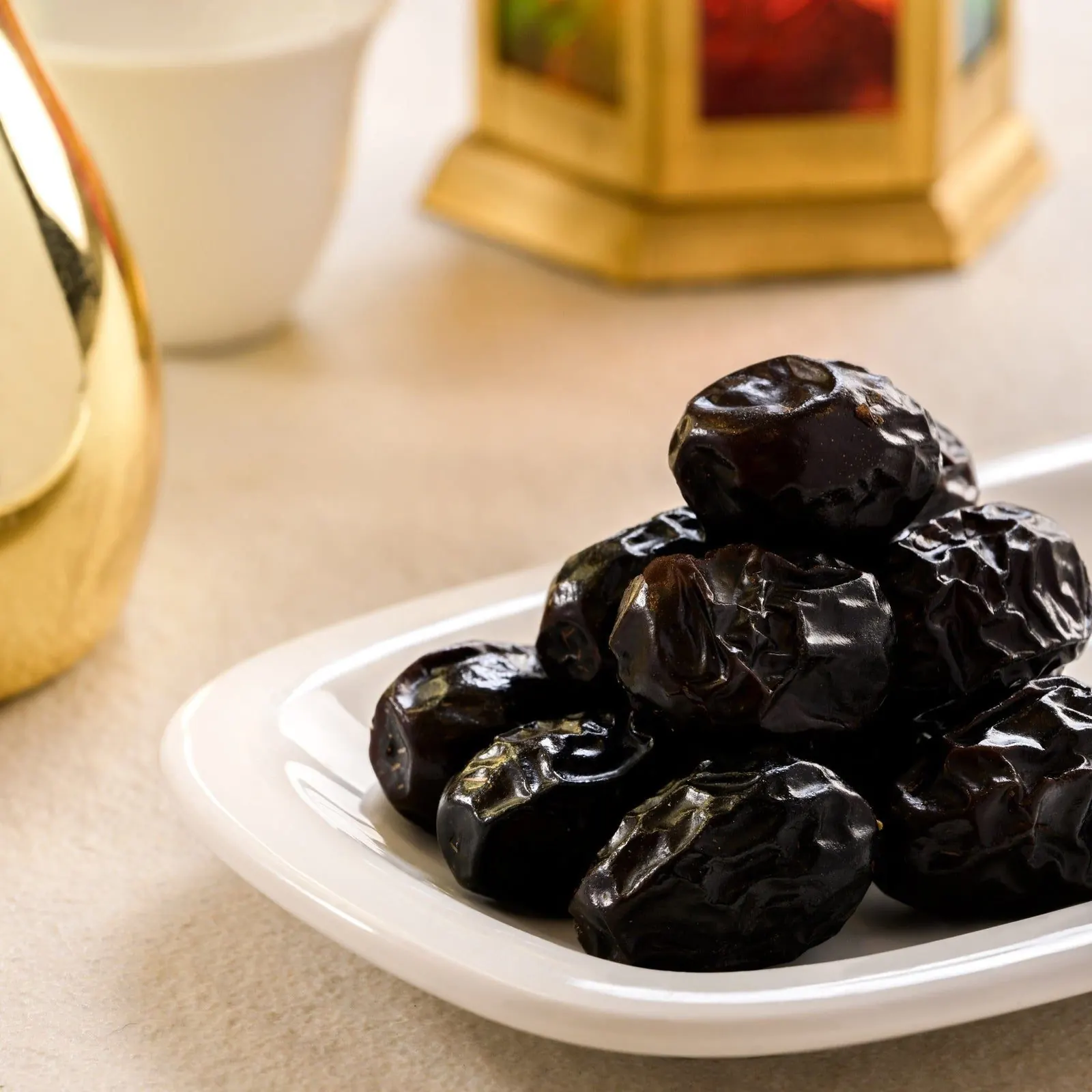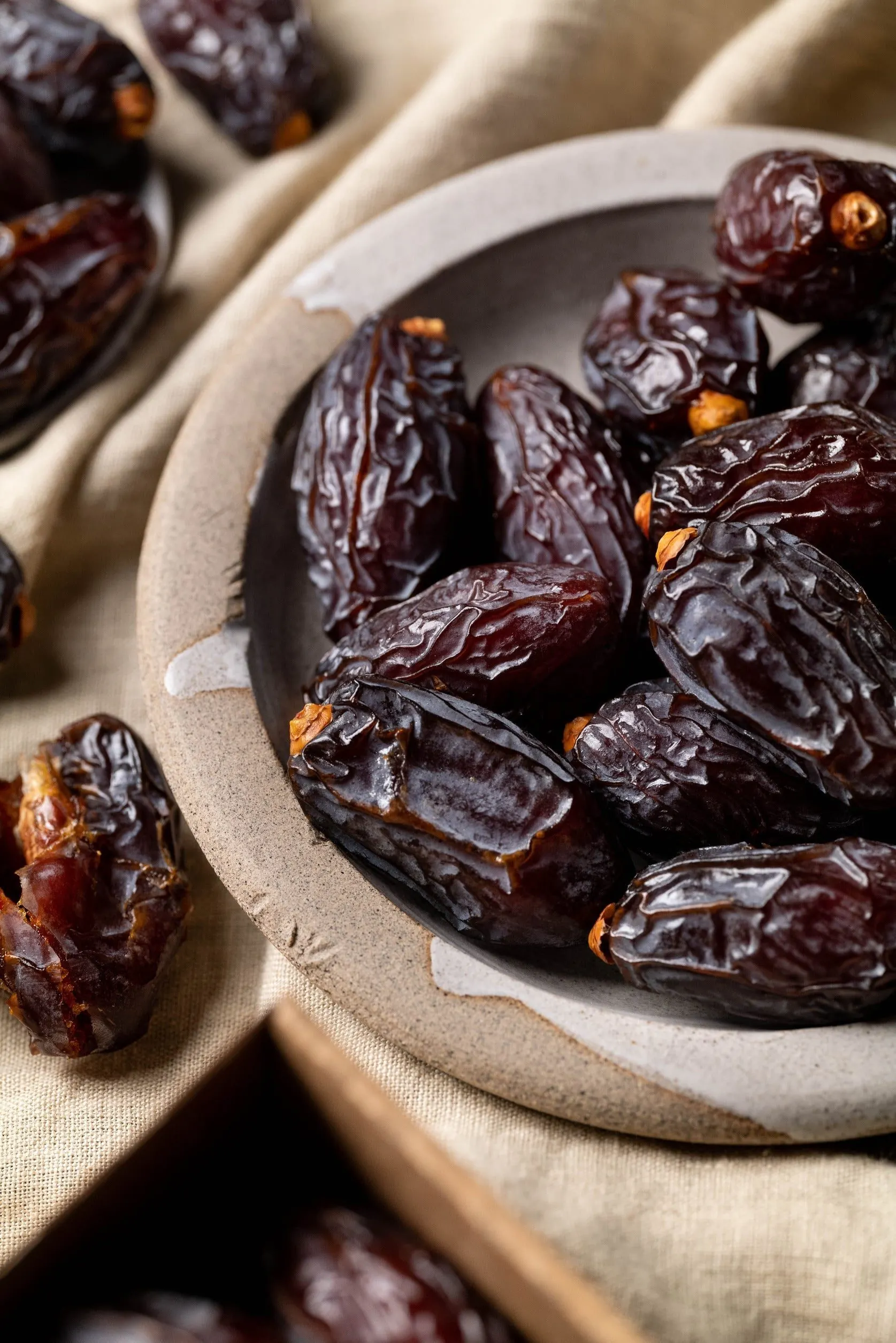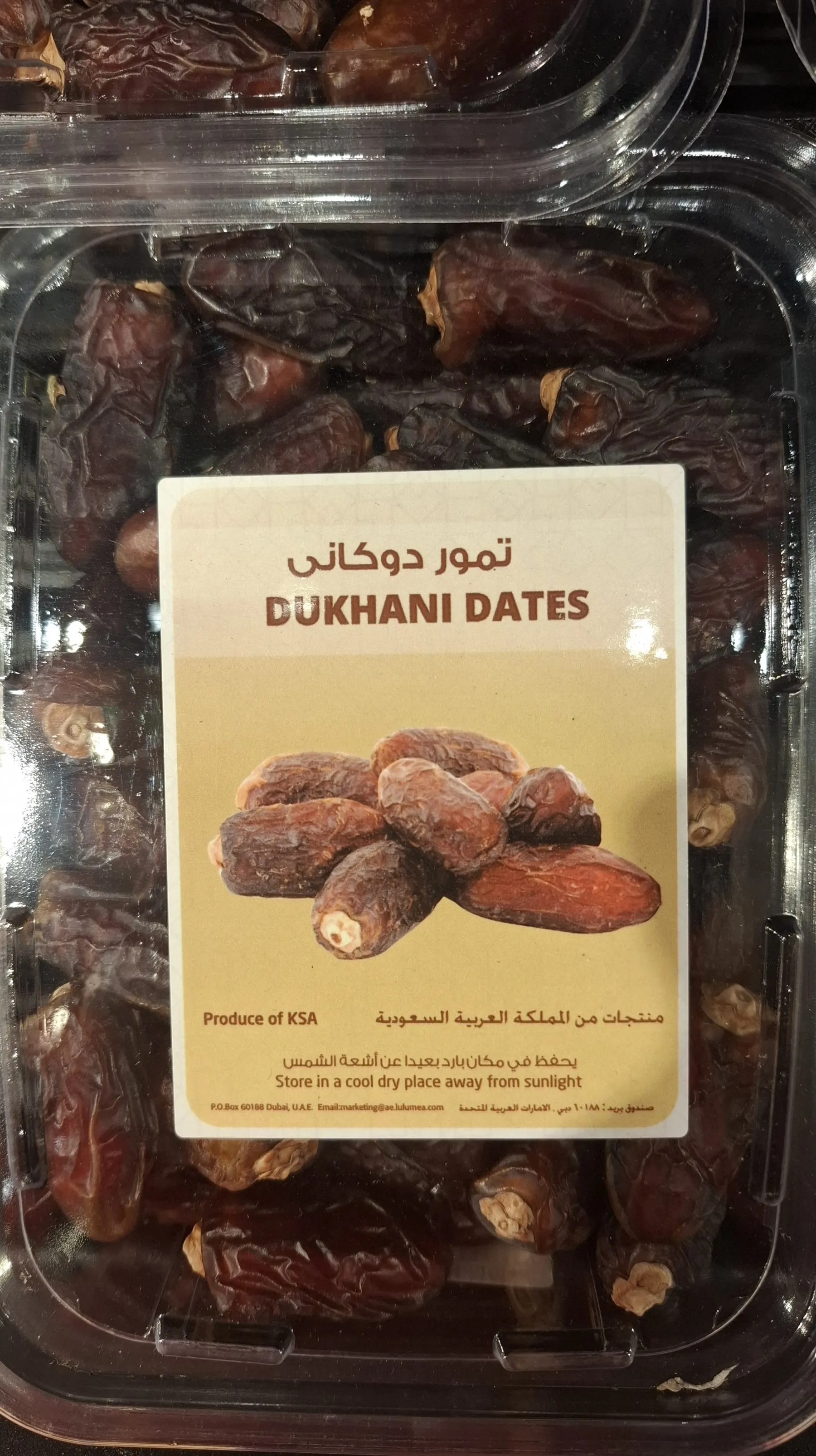
Dates are among the least perishable fruits thanks to low moisture and high natural sugars — but "less perishable" is not "indestructible". Poor storage makes them dry and crystallized or wet and fermented, stripping their finest flavors. Here is everything you need for home and commercial storage.
The three golden rules
- Cold slows chemistry: roughly every 10°C drop nearly doubles shelf life.
- Air is the enemy: oxidation turns natural fats rancid — use airtight containers.
- Hidden moisture is danger: excess humidity causes fermentation and mold; over-dryness causes crystallization.
Home storage
Pantry (1–2 months): for dry varieties like Siwi and Ajwa, in a sealed glass jar away from sun and heat.
Refrigerator (6–12 months): best for most types, especially soft ones like Medjool. Use sealed containers to avoid absorbing food odors; wash before eating, not before storing.
Freezer (1–2 years): Medjool keeps its caramel texture after thawing slowly in the fridge. Portion into single-use bags.
Commercial & export storage
At Zad Dates we follow strict standards: soft varieties stored below 18°C, warehouse humidity 55–65%, pallets off the ground, and lined cartons that protect shape during sea freight. Wholesale clients: never store dates near strong-smelling goods (onions, spices) — dates absorb odors fast.
Signs dates are no longer good
- Fermented or alcoholic smell (sugar conversion started).
- Unnatural glossy surface with visible moisture inside the pack.
- Wide white sugar crystals with very hard texture — safe but past its flavor peak.
- Cottony white threads (mold) — discard the whole surrounding batch.
Pro tip
Revive dried dates by soaking minutes in warm water or steaming briefly; conversely, dry out over-moist dates in an oven at the lowest setting with the door ajar.