"When one of you breaks his fast, let him break it with dates" — a Prophetic tradition repeated in Muslim homes for fourteen centuries. Remarkably, modern nutrition science now confirms the wisdom behind this guidance. Let's explore why dates are the perfect breakfast for the fasting body, and how to build a healthy Ramadan table starting from them.
What happens inside a fasting body breaking its fast on dates?
After fasting hours, blood sugar drops and cells need fast-absorbing fuel without shock. Dates deliver exactly this rare mix:
- Fast natural sugars raising blood sugar gently, without the spike of industrial sweets.
- Fiber protecting the empty stomach and preparing it for the main meal.
- Potassium and magnesium replenishing losses from long fasting hours.
- Rapid satiety preventing overeating at the main meal — the secret of balanced fasting.
How many dates at iftar?
The tradition mentions "a few dates" and "seven dates" — nutritionally translated: 3 to 7 medium dates (about 120–200 calories) is ideal to open the appetite comfortably.
Ajwa and Sukkari — the Ramadan stars
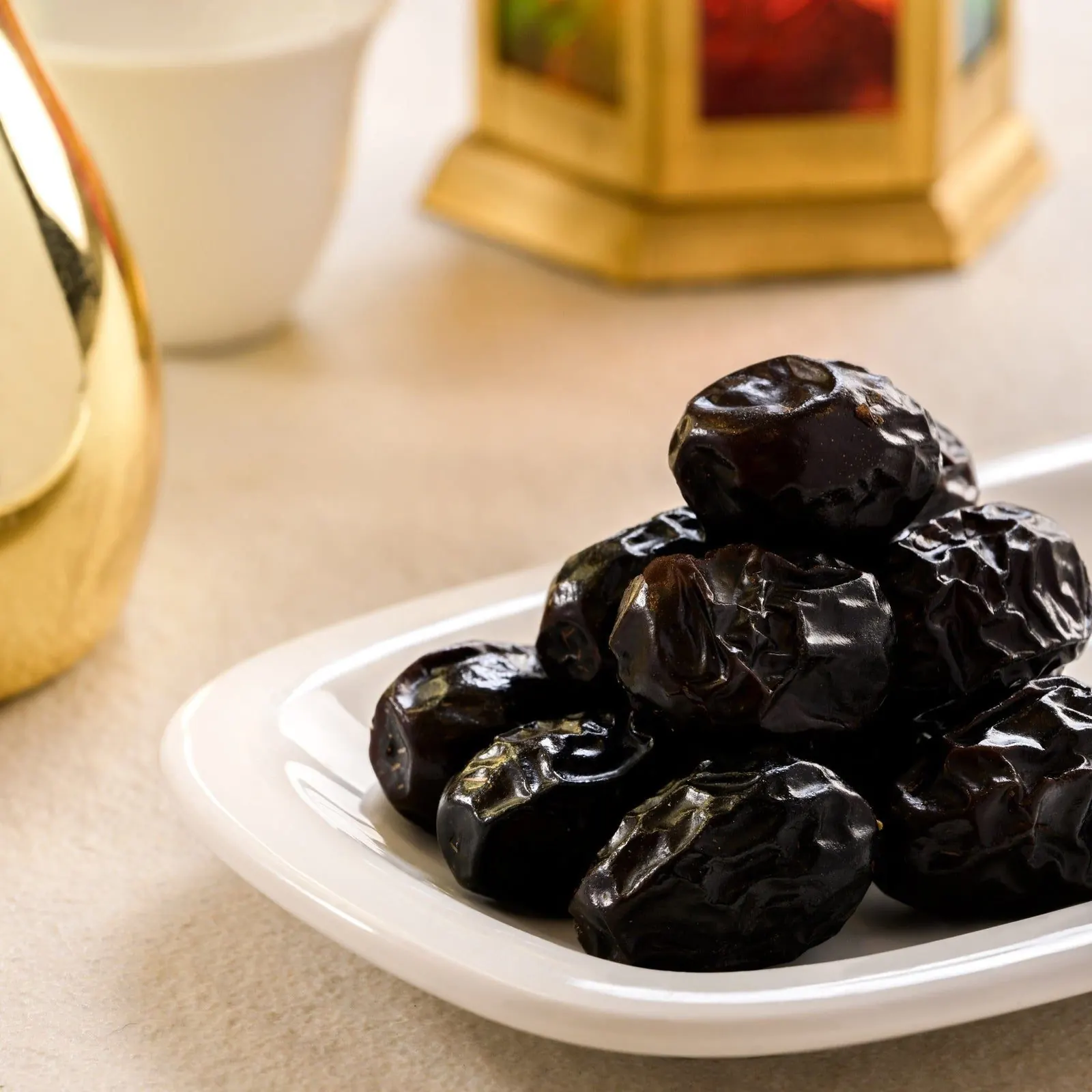
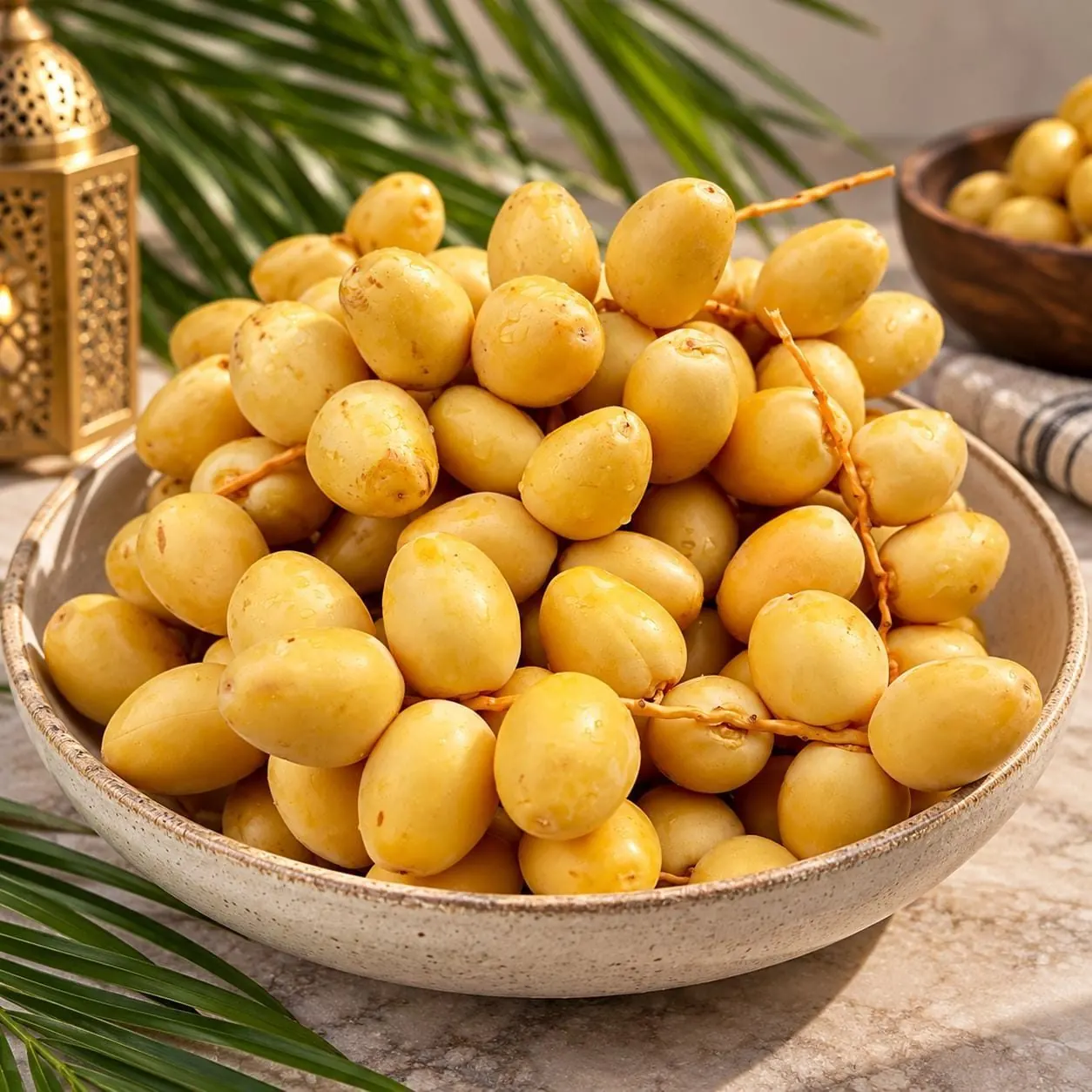
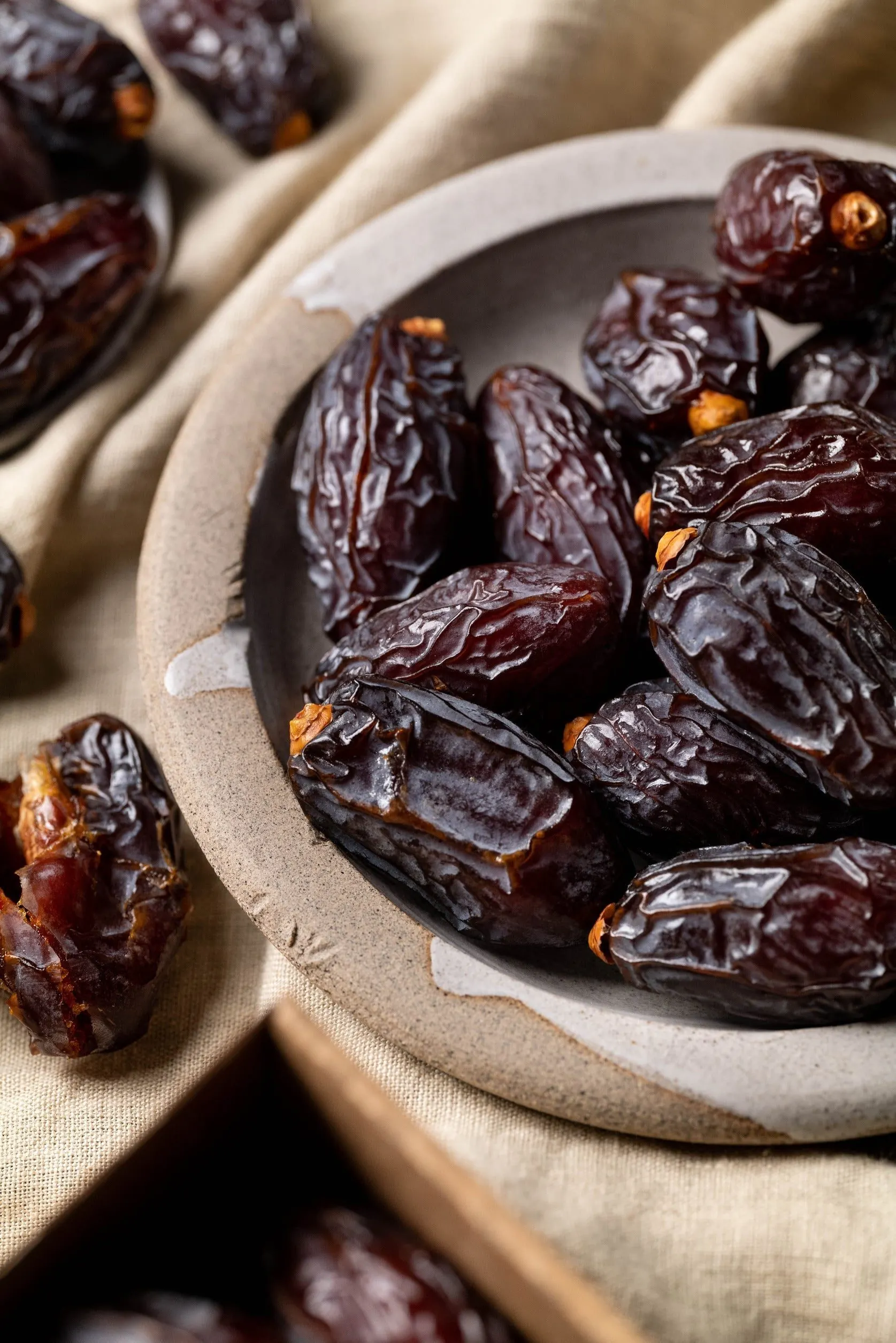
Ajwa leads iftar tables thanks to its Prophetic association and rich taste; Sukkari is the Gulf favorite for its high sweetness and family appeal. For suhoor, moderate varieties like Siwi with milk or nuts extend satiety.
5 healthy Ramadan ideas with dates
- Date-milk drink instead of soda — energy, protein and calcium in one cup.
- Almond- or walnut-stuffed dates — smart hospitality adding healthy fats.
- Energy balls: date paste + oats + coconut — healthy sweets for kids.
- Suhoor salad with sliced dates, yogurt and oats.
- Date paste instead of sugar in puddings and cakes.
Final word
Ramadan is a chance to reset your relationship with food — and dates are the blessed gateway. Order Zad Ajwa and Zad Sukkari before the season for the finest crop at wholesale prices with hospitality-grade packaging.